Tree Roots and Foundation Damage
Roots rarely crush concrete. What they do is move water, and in clay soil, moving water moves foundations.

- Licensed & insured contractors
- Free, no-obligation quotes
- Local Madison County crews
- 24/7 storm response
How the damage actually happens
- A mature tree can draw a very large volume of water out of the soil in a day.
- North Alabama has substantial clay content, and clay shrinks as it dries and swells as it wets.
- That cyclical movement under one part of a foundation, while another part stays stable, is what causes differential settlement and cracking.
- Direct mechanical damage - a root physically breaking sound concrete - is far less common than people assume.
What to look for
- Diagonal cracks at the corners of doors and windows.
- Doors and windows that stick seasonally, worse in late summer.
- Gaps opening between the wall and the floor or ceiling.
- Cracks in brick veneer that follow the mortar in a stair-step pattern.
- The damage concentrated on the side of the house nearest a large tree.
- Symptoms that worsen in drought years and partly recover in wet ones. That pattern points strongly to soil moisture rather than structural failure.
Before you remove the tree
- Removing a large tree can make movement worse in the short term. Soil rehydrates, clay swells, and the foundation can heave.
- Get a foundation professional's assessment alongside an arborist's. These are two different specialties and you want both.
- Cheaper interventions first: fix gutters and downspouts, extend discharge four to six feet out, and stabilise moisture around the foundation.
- A root barrier is sometimes an option, installed between the tree and the structure.
- If removal is genuinely the answer, plan for the soil to move afterward and monitor it.
The cheap fixes worth doing first
- Clean gutters and keep them clean, especially after leaf drop in late November.
- Extend downspouts well away from the foundation.
- Grade soil to slope away from the house.
- Avoid heavy irrigation right at the foundation, which creates the wet-dry cycling you are trying to prevent.
Huntsville Tree Service Pros is a referral service, not a contractor.
This guide is general information for Huntsville-area homeowners, not professional
arboricultural, legal, or insurance advice. See our
disclaimer.
Get Free Quotes
Tell us about the job. We'll match you with licensed, insured Huntsville-area crews. Free, no obligation.
Huntsville Tree Service Pros is a free referral service. We are not a tree service contractor and we do not perform tree work. We connect you with independent, licensed and insured contractors serving Huntsville, and we may receive compensation when we refer you.
Notice at Collection: We collect your name, contact details, and project information in order to match you with local contractors. We share this information with participating contractors who may contact you about your request. We do not sell your personal information. See our Privacy Policy.
Questions
Can tree roots crack a foundation?
Directly, rarely. Indirectly, yes - by drawing moisture out of clay soil and causing it to shrink, which produces differential movement under the foundation. That is the common mechanism in North Alabama.
Should I remove a tree near my foundation?
Not before getting both a foundation professional's and an arborist's opinion. Removing a large tree can cause soil to rehydrate and swell, which sometimes makes movement worse before it gets better.
How far from the foundation is safe?
A common guideline for new planting of large species is at least 20 feet, and farther for the largest. For an established tree, soil type, species, and drainage matter more than a single distance number.
Services
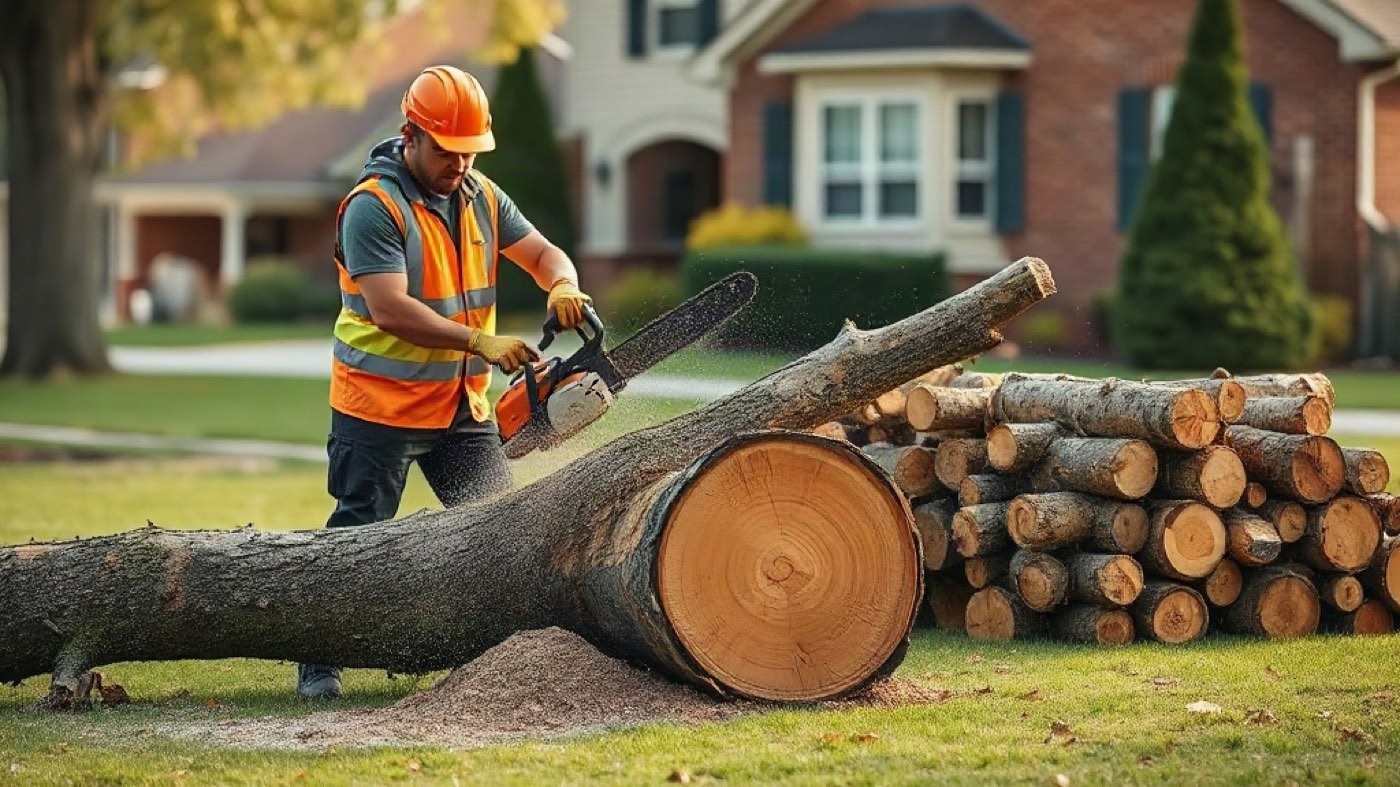
Tree RemovalDead, leaning, or too close to the house
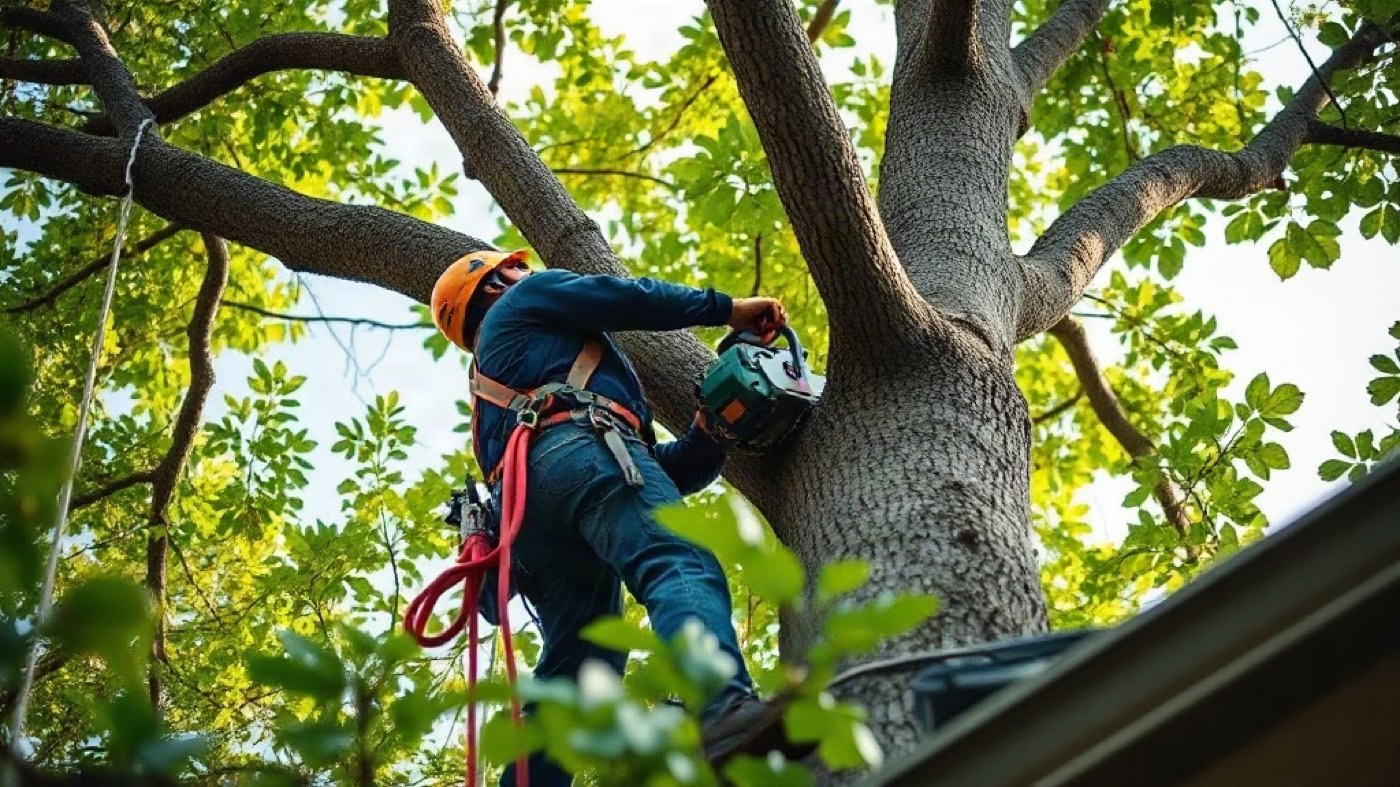
Tree Trimming & PruningRoof clearance, deadwooding, crown thinning
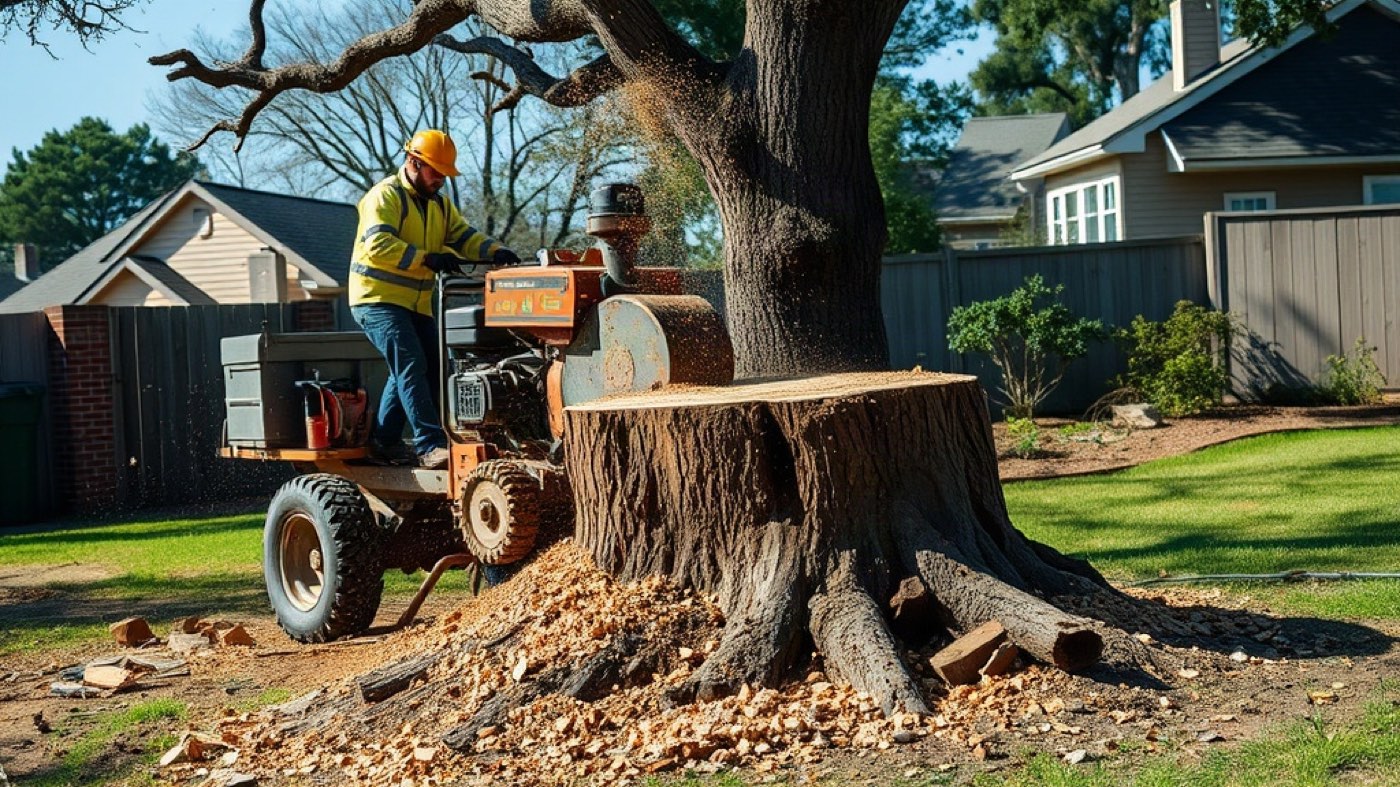
Stump Grinding & RemovalGround below grade so you can replant or sod
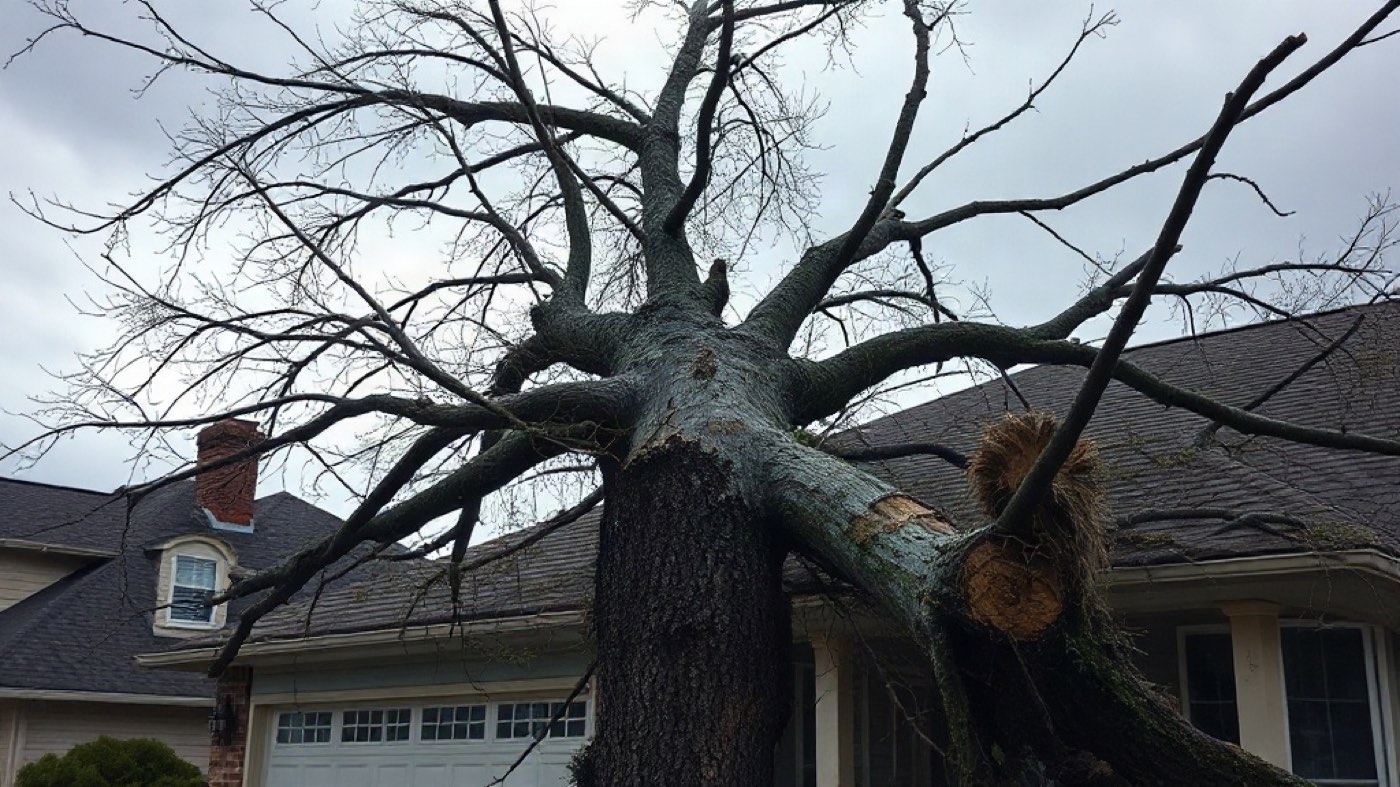
Emergency & Storm Damage24/7 storm response and hazard removal
Arborist & Tree HealthHealth assessments and written hazard reports
Land & Lot ClearingLot prep, underbrushing, forestry mulching